
The Art of Sabrage: A Sparkling Slice of History
- Wine Gifts
- Jul 23, 2025
- 5 min read

Few party tricks command attention like the art of sabrage—the swift and audacious act of opening a champagne bottle with a sword. It's dramatic, dangerous, elegant, and undeniably French. For those unfamiliar, sabrage (pronounced sah-brahzh) is the ceremonial technique of removing the cork from a bottle of champagne using a saber or similar blade.
The neck of the bottle, glass and all, is sliced clean off with one well-placed strike, sending bubbly flying and guests cheering.But where did this spectacular ritual come from? Why would anyone use a sword to open a bottle of wine? And how, exactly, does it work without creating a shower of glass shards in your drink?
Pull up a velvet armchair, pour yourself a glass of fizz, and let’s dive into the sparkling history and art of sabrage.

A Toast to Napoleon: The Origin Story
The roots of sabrage stretch back to the Napoleonic era of early 19th century France. At the time, champagne was becoming increasingly popular among the upper classes, and few groups were more elite—or more flamboyant—than Napoleon Bonaparte’s cavalry, the Hussars.
Known for their bravery, elaborate uniforms, and tendency toward excess, the Hussars reportedly took to sabrage after returning victorious from battle. With one hand holding reins and the other wielding a saber, it was said to be the most efficient way to pop a celebratory bottle while still on horseback.
Napoleon himself is often quoted as saying:
“In victory, you deserve Champagne. In defeat, you need it.”
Whether apocryphal or not, the quote captures the essence of the era: champagne was the drink of both triumph and solace, and the Hussars were all about flair.
It’s said that Madame Clicquot, the young widow who would become the Grand Dame of Champagne, entertained and inspired Napoleon’s soldiers with her hospitality and fine sparkling wine. In return, the officers brought sabrage to prominence—and to legend.
The Physics Behind the Pop
While sabrage seems like an act of sheer bravado, it’s actually based on surprisingly sound physics.
Champagne bottles are under immense pressure—about 5 to 6 atmospheres of pressure (roughly 70 to 90 psi). That’s three times the pressure inside a car tire. This internal force pushes up against the cork and the neck of the bottle, making it a prime candidate for a dramatic explosion—if coaxed correctly.
When a saber strikes the lip of the bottle at the point where two seams meet (yes, there’s a sweet spot), it breaks the glass cleanly due to the tension already present in the glass. The force of the internal pressure then pushes the top of the bottle, cork and all, off in one piece—often with a satisfying pop.
Because of the clean break and the outward force of the champagne, glass shards rarely fall into the bottle, making the beverage safe to drink (although it's always wise to inspect or pour off the first splash).
From Battlefield to Ballroom: The Ritual Evolves
Though it started with soldiers, sabrage quickly found favor in aristocratic circles and celebratory occasions. It became a symbol not only of victory, but of extravagance and ceremony. In fact, by the late 1800s, sabrage was being performed at royal banquets and society balls across Europe.
Over time, it evolved into a performative act often used to mark grand openings, weddings, or significant toasts. Even today, sabrage is a staple of high-end events—from Michelin-starred restaurant launches to Formula 1 podium celebrations.
Modern-Day Sabrage: Showmanship Meets Tradition
Today, sabrage is practiced by everyone from expert sommeliers to daring enthusiasts at home. While some use traditional cavalry sabers (often beautifully ornate), others have used everything from kitchen knives and golf clubs to iPhones and even high heels. Yes, high heels.
Of course, safety is always a concern. A properly executed sabrage is a thing of beauty, but a poorly executed one can lead to flying glass, wasted wine, and serious injury. The key is to keep the bottle cold (around 7°C or 45°F), find the seam, angle it away from people, and strike confidently.
Even luxury champagne brands like Moët & Chandon and Veuve Clicquot have leaned into the theater of sabrage, incorporating it into marketing events and even offering engraved sabers as collector’s items.
Champagne Itself: A Brief Sparkling Aside
Sabrage wouldn’t be nearly as exciting without the liquid gold it releases—champagne. But what makes champagne so special?
Champagne is a sparkling wine made exclusively in the Champagne region of France, under strict regulations. Only grapes grown in this region, under specific methods, may legally bear the name.
The traditional process, called méthode champenoise, involves a second fermentation inside the bottle. This fermentation traps carbon dioxide, creating the signature bubbles.
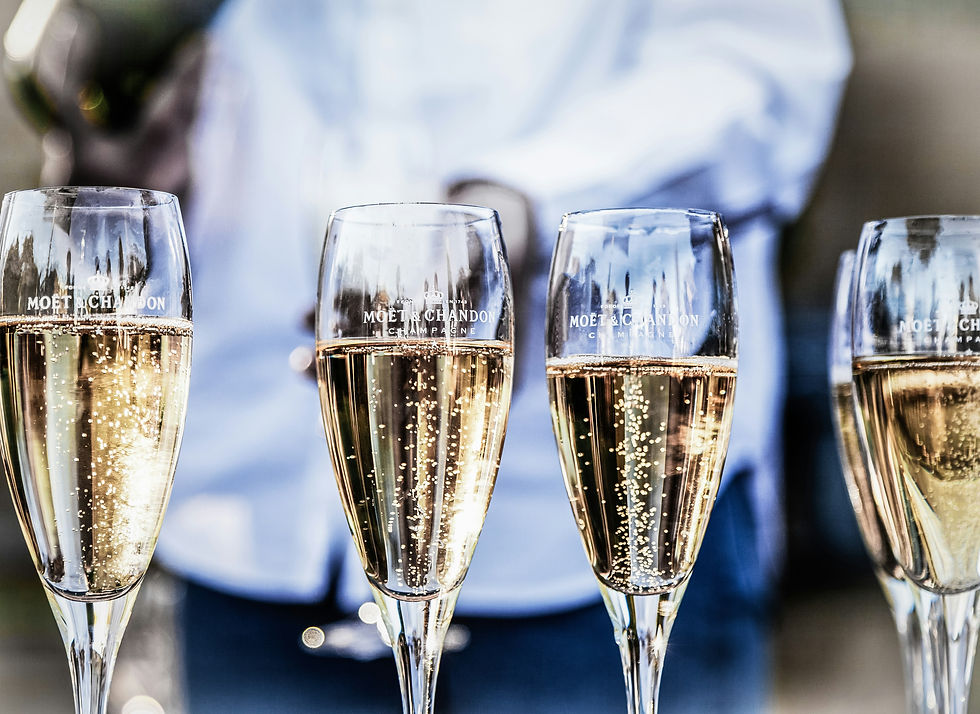
Each bottle contains approximately 49 million bubbles—which, under pressure, can send a cork flying at 50 km/h (31 mph) and up to 40 feet in distance if not properly restrained.
No wonder it’s such a satisfying sound when sabraged.
Not Just Champagne: A Global Trend
Though sabrage is most associated with champagne, the technique can be used (carefully) with other sparkling wines—such as Cava from Spain or Prosecco from Italy. However, these wines are often bottled with different glass thicknesses and lower pressure, making sabrage less reliable—and riskier.
Always make sure the bottle is suitable before attempting sabrage. And if it’s Prosecco in a thin glass bottle? Stick to the corkscrew or pop by hand.
Famous Moments in Sabrage History
Guinness World Record: The most champagne bottles sabered in one minute is 66, achieved by Ashrita Furman in New York in 2015. Ashrita holds more Guinness records than anyone in history.
Royal Toasts: Prince Harry and Meghan Markle’s wedding reception in 2018 reportedly included a sabrage moment involving jeroboams (that’s 3 liters per bottle) of champagne.
Luxury Sabers: French couturier Jean-Charles de Castelbajac once designed a $25,000 saber encrusted with diamonds for a private collector. (Perfect for the saber-wielding fashionista.)
Social Media Boom: Sabrage has enjoyed a resurgence thanks to platforms like TikTok and Instagram, where dramatic champagne-popping videos regularly go viral.
How to Saber Like a Pro (or At Least Not Embarrass Yourself)
If you’re feeling inspired and want to try sabrage yourself, here are some steps and tips to keep it smooth—and safe:
Choose the right bottle - Pick a bottle of real champagne (not sparkling wine), ideally with a thicker glass neck. Chill it thoroughly—7°C (45°F) is ideal.
Remove the foil and cage - Peel off the foil completely and untwist the wire cage. Keep a thumb on the cork if it's loose.
Find the seam - Champagne bottles have two vertical seams running up the side. These are weak points where the glass was fused.
Hold the bottle at a 45° angle - Point it away from people, pets, or valuables. Rest the bottle on your non-dominant forearm for stability.
Slide the saber along the seam - Using a swift, confident motion, run the blunt edge of the saber up the seam. Strike the lip of the bottle where the seam meets the collar.
Pop! With a clean strike, the top of the bottle should break off and fly dramatically. Pour and enjoy.
Note: Always check for glass before drinking. Pour the first few ounces into a separate glass to inspect if needed.
A Final Word of Warning—and Wonder
Sabrage is beautiful, but it’s not without risk. Broken glass, eye injuries, or a ruined bottle of expensive champagne are all possible outcomes when done carelessly.
Still, when performed with skill and respect for the tradition, sabrage remains one of the most theatrical ways to toast to life, love, or just a Friday night.
After all, champagne isn’t just a drink—it’s an experience. And sabrage adds a sparkling exclamation point to every celebration.
So next time you raise a glass, remember the galloping Hussars, the widowed Madame Clicquot, and the millions of bubbles waiting to burst free with a clash of steel.
Santé! 🥂


Comments